
Framed Prints
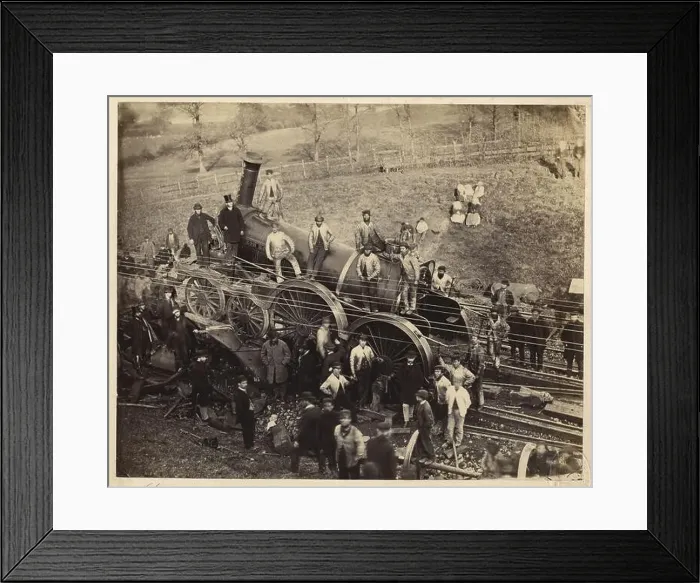
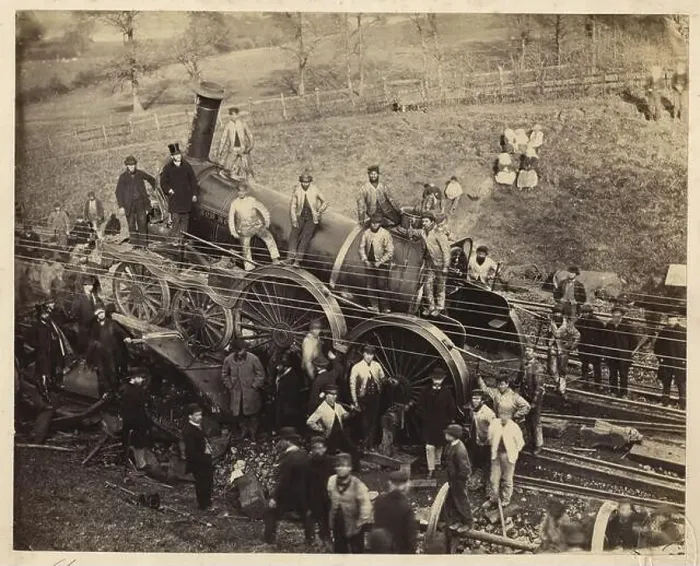
Framed Print of The Wreck of the Rob Roy, 1868. Photography by Richard H. Barrett
The Wreck of the Rob Roy, 1868. Photography by Richard H. Barrett Medium: albumen print Notes: A blindstamp at the lower right-hand corner identifies the photographer. The word ‘Copyright has been inked in the lower margin in an elegant copperplate script, although Barrett in fact never entered the image at Stationers Hall. On 5 November 1868 it crashed into the back of a cattle truck at Awse Junction near Newnham in Gloucestershire. Three men were killed – a farmer, a cattle drover and a railway guard – and six were injured in the collision. According to a report on the investigation into the accident, ‘The Rob Roy is the largest broad-gauge engine ever built, weighing 40 tons. It was constructed by Stephenson, and to the great strength of is material and build the engine-driver and fireman, and very probably the passengers, owe their lives. The comparatively little damage sustained by the engine is truly remarkable, considering that it was going at something like 45 miles an hour when it encountered the opposing body. […] The scene that immediately followed the collision is said to have been something dreadful, occasioned by the cries and struggles of the poor cattle, the larger number of which died from suffocation. Many, however, were found so crushed that their carcases were held together only by their skins. The Rob Roy, on the other hand, emerged relatively unscathed. ‘The forcing in of the smoke-box, the bending of the buffers, and the splitting of the 3 inch steal tire on the fore near wheel is all the damage done to the Rob Roy, the whole of which it is said can be repaired for a fifty-pound note. This, however, is not the case with the cattle trucks. They were built in the usual way, covered with sheet iron roofs. These, however, were no more than sheets of paper under the pressure of the Rob Roy, so that they fell in upon the cattle, smothering and crushing them to atoms. As soon as practicable the live beasts were extricated from their plunging positions, but before this could be done many of them half kicked e. © Archive Farms. Inc, Archive Farms Inc
Your chosen combination is quickly and professionally made to order, our shipping page has more details
If you are not entirely happy with your items, simply return them to us within 30 days for a replacement or full refund. Please read our full returns policy.
Media ID 41575742
1800s 1860s 1868 Accident Crash Gloucestershire Great Western Railway Locomotive Sepia Workers Wreck
Modern Frame 14"x12" (36x31cm)
Ready to Hang Contemporary Framed Prints adds style, protection, and a polished touch to your space - effortlessly.
Your artwork will be printed as shown in the preview. To adjust please select Edit Printed Image under the Buy button
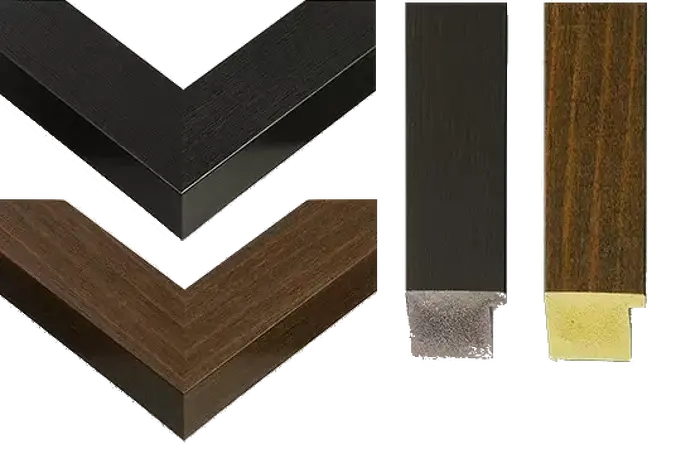
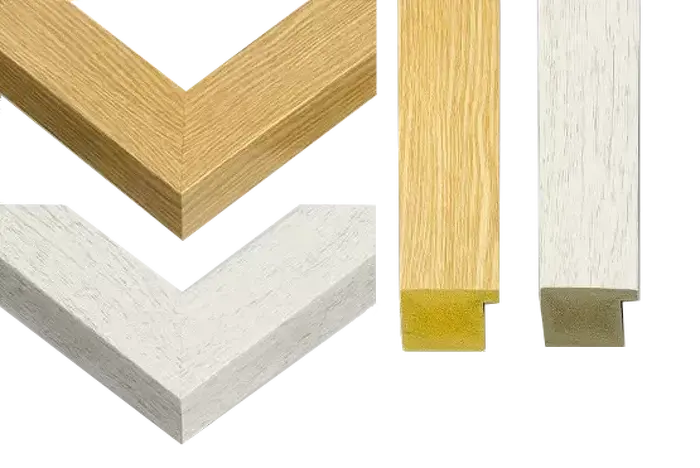
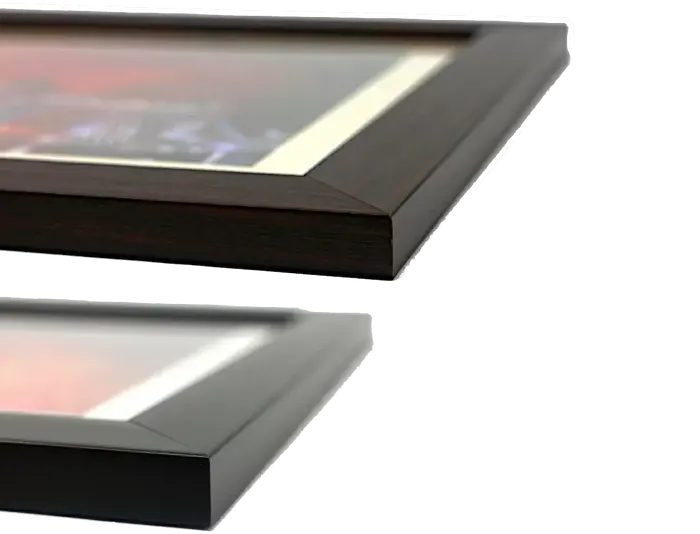
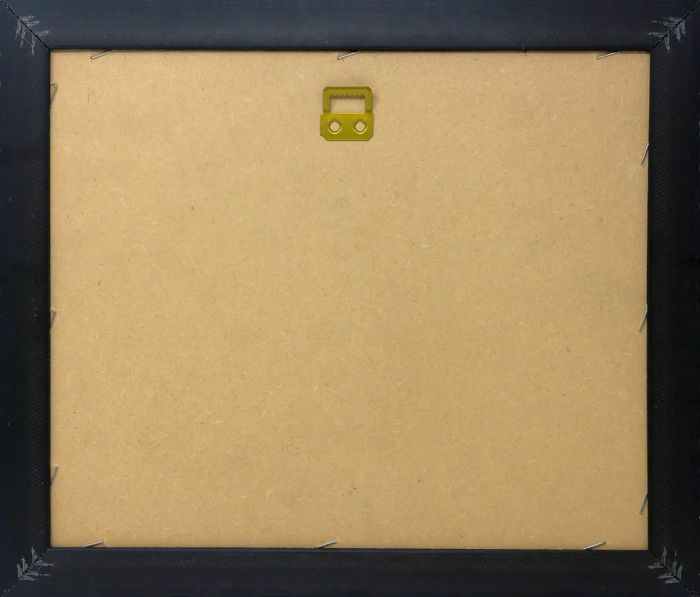
Wood effect frame, card mounted, 10x8 fade resistant photo print. Overall outside dimensions 14x12 inches (36x31cm). Environmentally and ozone friendly, 40mm wide x 15mm Polycore® moulding has the look of real wood, is durable and light and easy to hang. Biodegradable and made with non-chlorinated gases (no toxic fumes) it is efficient; producing 100 tons of polystyrene can save 300 tons of trees! Prints are glazed with lightweight, shatterproof, optical clarity acrylic (providing the same general protection from the environment as glass). The back is stapled hardboard with a sawtooth hanger attached. Note: measurements provided are estimated outer dimensions, which include both the image and the frame. While we aim to keep sizing consistent, exact dimensions may vary slightly due to differences in print size or production requirements, which may result in a variation in the overall size (up to approximately 2.5cm (1"))
These are individually made so all sizes are approximate
Estimated Image Size (if not cropped) is 23.9cm x 19.3cm (9.4" x 7.6")
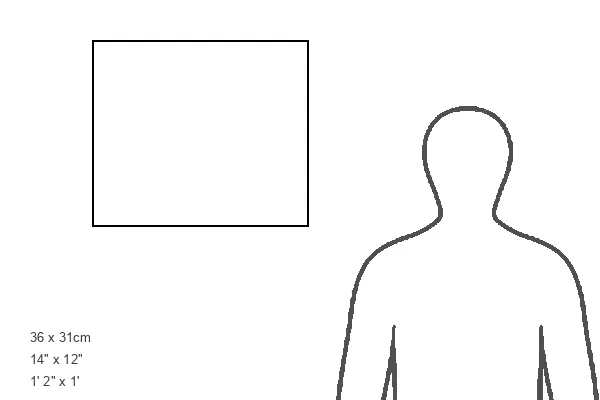
Estimated Product Size is 36cm x 31cm (14.2" x 12.2")