

Framed Prints
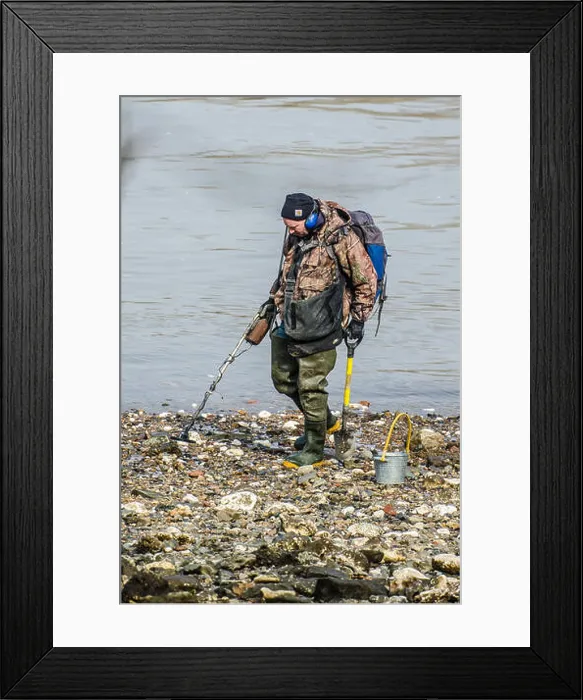
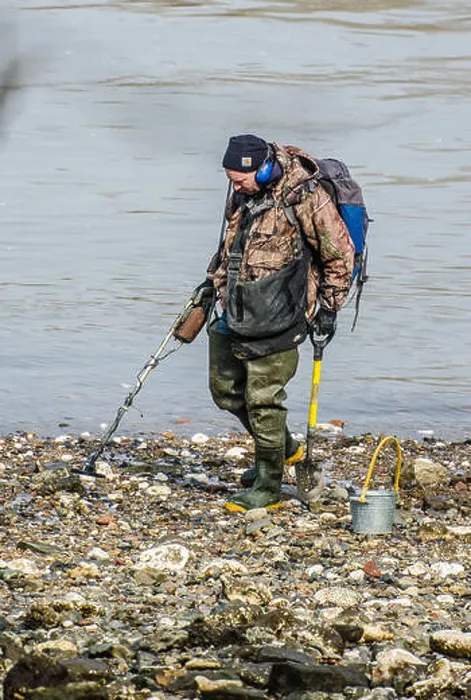
Framed Print of Licensed Mudlark using a metal detector to find valuable or historical items along the Thames riverbank at Battersea
Licensed Mudlark using a metal detector to find valuable or historical items along the Thames riverbank at Battersea, London, UK A mudlark is someone who scavenges in river mud for items of value, a term used especially to describe those who scavenged this way in London during the late 18th and 19th centuries. Mudlarks would search the muddy shores of the River Thames at low tide for anything that could be sold; and sometimes, when occasion arose, pilfering from river traffic. By at least the late 18th century people dwelling near the river could scrape a subsistence living this way. Mudlarks were usually either youngsters aged between eight and fifteen, or the robust elderly; and though most mudlarks were male, girls and women were also scavengers. More recently, metal-detectorists searching the foreshore for historic artefacts have described themselves as mudlarks'. Anyone wishing to carry out metal detecting of digging/scraping on the Thames foreshore requires a permit from the Port of London Authority. (Walking on the Thames foreshore does not require a permit). Scraping the Thames foreshore surface with any type of implement is considered digging. All the foreshore in the UK has an owner. Metal detecting is not a public right and as such it needs the permission of the landowner. The PLA and the Crown Estate are the largest land owners of Thames foreshore and jointly administer a permit which allows metal detecting and digging. The Thames foreshore permit is only valid for certain locations west of the Thames Barrier up to Teddington. Metal detecting or digging is not normally allowed east of the Barrier. You must report any objects you find which could be of archaeological interest to the Portable Antiquities Scheme Finds Liaison Officer at the Museum of London on . This Scheme records all archaeological finds made by the public in England and Wales. If you believe that a find may qualify as treasure then you should contact the coroner for the district in which the object was found, usually within fourteen days of making the find. © Avpics
Your chosen combination is quickly and professionally made to order, our shipping page has more details
If you are not entirely happy with your items, simply return them to us within 30 days for a replacement or full refund. Please read our full returns policy.
Media ID 41869563
2016 Battersea Copyspace River Thames Riverbank Scavenging Spade
Modern Frame 14"x12" (36x31cm)
Ready to Hang Contemporary Framed Prints adds style, protection, and a polished touch to your space - effortlessly.
Your artwork will be printed as shown in the preview. To adjust please select Edit Printed Image under the Buy button
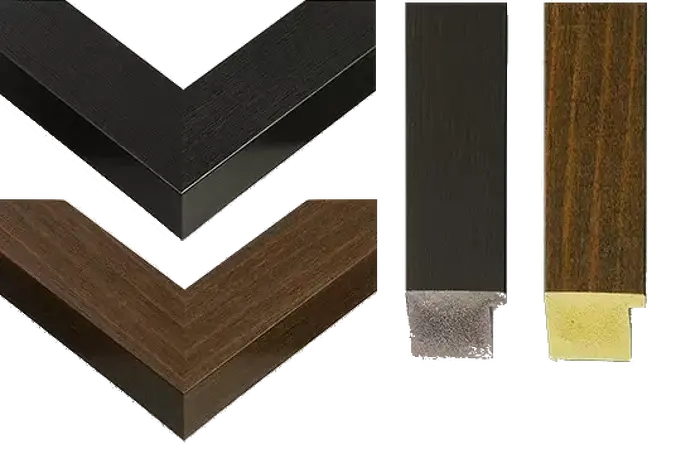
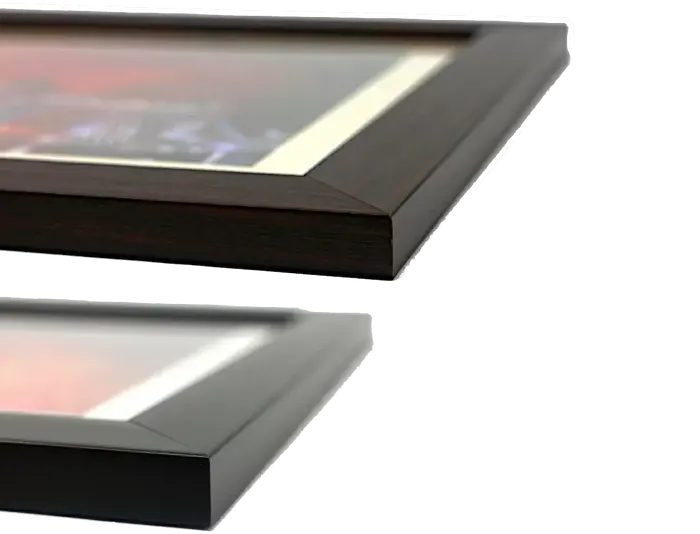
Wood effect frame, card mounted, 10x8 fade resistant photo print. Overall outside dimensions 14x12 inches (36x31cm). Environmentally and ozone friendly, 40mm wide x 15mm Polycore® moulding has the look of real wood, is durable and light and easy to hang. Biodegradable and made with non-chlorinated gases (no toxic fumes) it is efficient; producing 100 tons of polystyrene can save 300 tons of trees! Prints are glazed with lightweight, shatterproof, optical clarity acrylic (providing the same general protection from the environment as glass). The back is stapled hardboard with a sawtooth hanger attached. Note: measurements provided are estimated outer dimensions, which include both the image and the frame. While we aim to keep sizing consistent, exact dimensions may vary slightly due to differences in print size or production requirements, which may result in a variation in the overall size (up to approximately 2.5cm (1"))
These are individually made so all sizes are approximate
Estimated Image Size (if not cropped) is 16.4cm x 24.4cm (6.5" x 9.6")
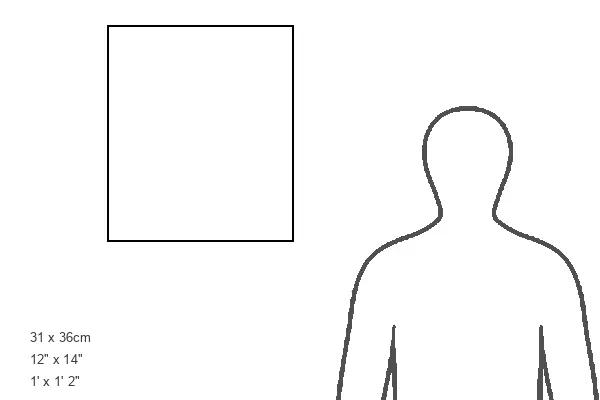
Estimated Product Size is 31cm x 36cm (12.2" x 14.2")