Framed Prints
Framed Print of This entry discusses the anatomy and physiology of cephalopods
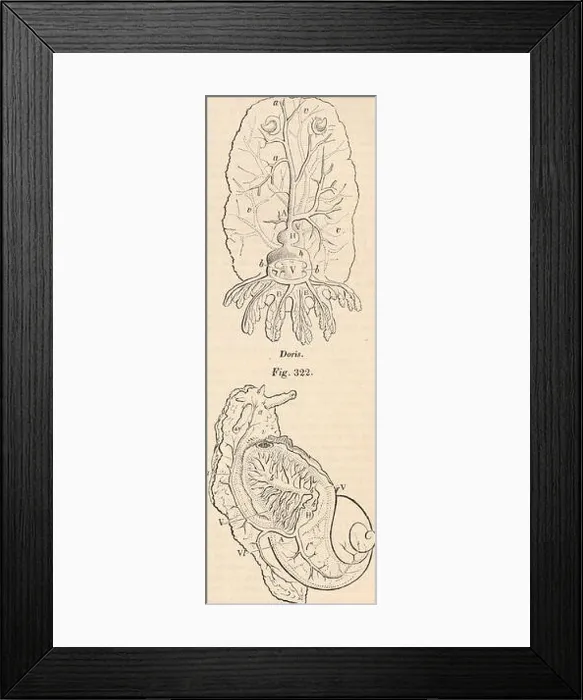
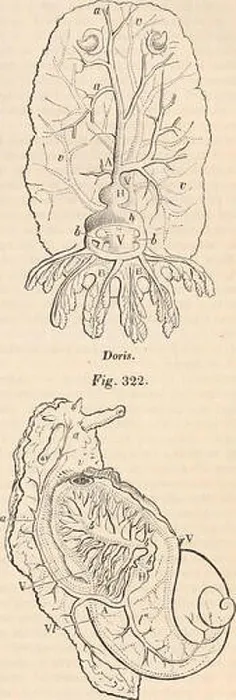
This entry discusses the anatomy and physiology of cephalopods, focusing on the circulatory system. It explains the contractile portions of the gills, referring to them as branchial hearts. The text outlines the structure of the heart in various marine organisms, providing insight into their circulatory adaptations. The cyclopædia of anatomy and physiology. Anatomy; Physiology; Zoology. Cuttle-fah. the gills has a dilated contractile portion (£>*), which dilatations may be considered as bran- chial hearts, so that there are three separate contractile portions of the circulatory system. In the Gasteropoda and Pteropoda, there is only one heart. This organ is strong and mus- cular, provided with valves, and consisting of an auricular and a ventricular cavity (Jigs. 321 and 322, h, H). In the Testaceous Acephala, the heart is nearly of the same structure as in the orders just mentioned, but less fully deve- loped. In most of them, as also in the Gas- teropodous Mollusca, the rectum passes through the ventricle. The auricle is occasionally double. The Brachiopoda have two aortic hearts, but of a very simple structure, not being divided into auricular and ventricular portions. The naked Acephala, such as the Ascidise, have the simplest heart of all the Mollusca, consisting of a thin membranous ventricle apparently without valves. In all these animals, the course of the blood is generally considered to be the following: Arterial blood only passes through the systemic or aortic heart (or hearts where this organ is double), and is carried to the system by the branches of the systemic arteries (A, «). The VOL. I. altered blood, returning in the veins of the system, is collected into one or more trunks ( F), and carried in the subdivided branches of these (fig. 321, jig. 322, JB) to the re- Fig. 321.. Helix. spiratory organ, which consists of branchial plates or fringes in the greater number, but in some of the Gasteropoda, as in the Garden- Snail, of pulmonary sacs. In most cases, the whole of the blood returning from the system passes through the respiratory organ. In others, especially in some Bivalves, the vena cava or systemic veins send branches directly to the auricle as well as to the gills. In the compound Ascidise, Mr. Lister* has recently discovered one of the most rem. © Central Historic Books
Your chosen combination is quickly and professionally made to order, our shipping page has more details
If you are not entirely happy with your items, simply return them to us within 30 days for a replacement or full refund. Please read our full returns policy.
Media ID 48216451
Anatomical Anatomy Behavior Biological Circulatory Comparative Comparison Creatures Cuttlefish Differences Diversity Ecosystems Features Function Gills Guide Heart Organisms Physiology Scientific Systems Textbook Zoological
Modern Frame 14"x12" (36x31cm)
Ready to Hang Contemporary Framed Prints adds style, protection, and a polished touch to your space - effortlessly.
Your artwork will be printed as shown in the preview. To adjust please select Edit Printed Image under the Buy button
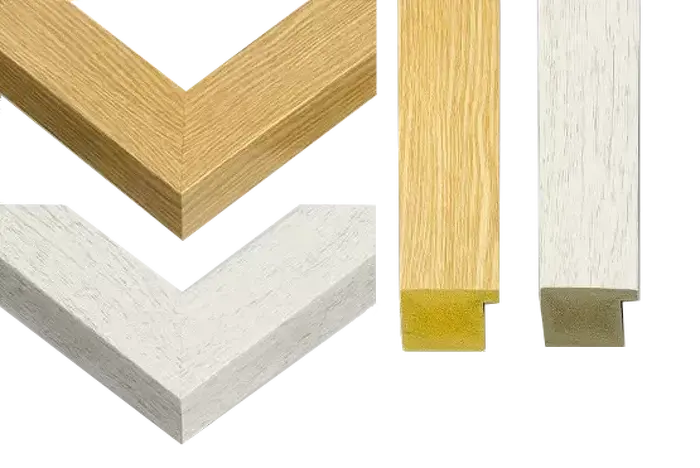
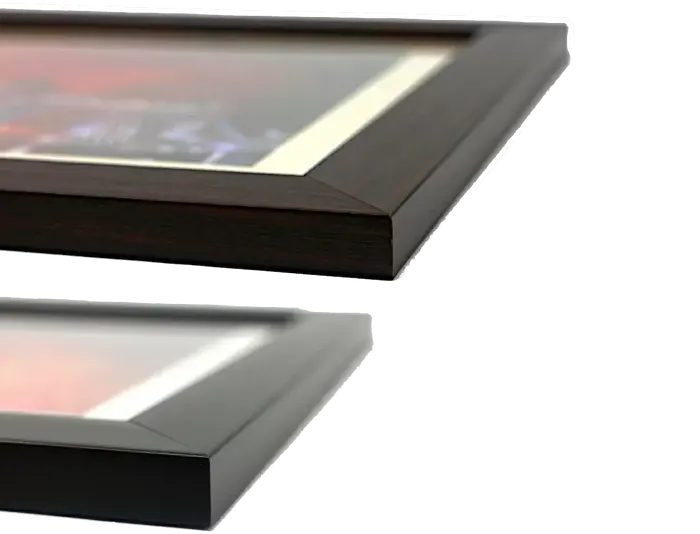
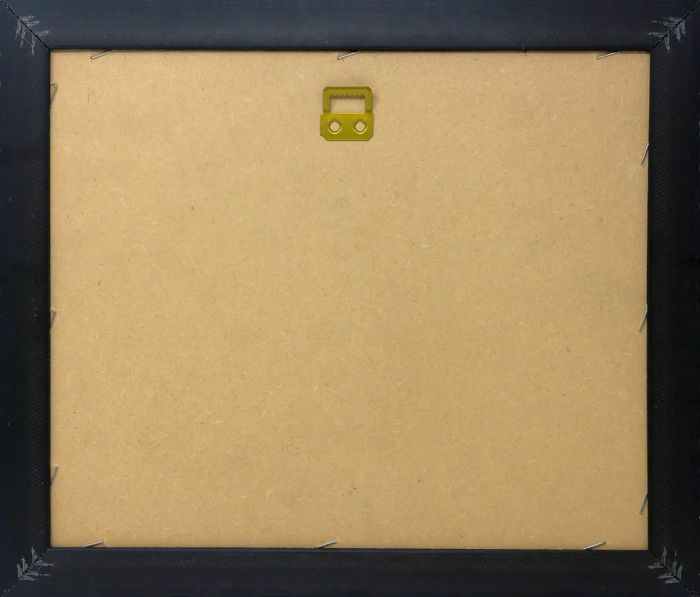
Wood effect frame, card mounted, 10x8 fade resistant photo print. Overall outside dimensions 14x12 inches (36x31cm). Environmentally and ozone friendly, 40mm wide x 15mm Polycore® moulding has the look of real wood, is durable and light and easy to hang. Biodegradable and made with non-chlorinated gases (no toxic fumes) it is efficient; producing 100 tons of polystyrene can save 300 tons of trees! Prints are glazed with lightweight, shatterproof, optical clarity acrylic (providing the same general protection from the environment as glass). The back is stapled hardboard with a sawtooth hanger attached. Note: measurements provided are estimated outer dimensions, which include both the image and the frame. While we aim to keep sizing consistent, exact dimensions may vary slightly due to differences in print size or production requirements, which may result in a variation in the overall size (up to approximately 2.5cm (1"))
These are individually made so all sizes are approximate
Estimated Image Size (if not cropped) is 8.2cm x 24.4cm (3.2" x 9.6")
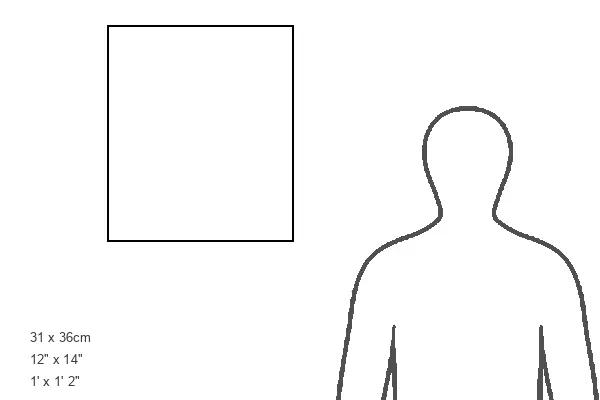
Estimated Product Size is 31cm x 36cm (12.2" x 14.2")